
Introduction: Why Vinyl Matters
In reggae and dub culture, vinyl records have always played a central role. Long before digital formats and streaming platforms existed, music traveled through physical records that selectors carried from one session to another.
Vinyl was not just a medium for listening — it defined how the music itself was created. Producers, engineers, and selectors worked with the physical limitations and possibilities of records, shaping the structure of songs, bass lines, and versions around the format.
Even today, many selectors and sound systems continue to play vinyl because it preserves a particular relationship between music, sound, and performance.
The Groove as a Physical Sound
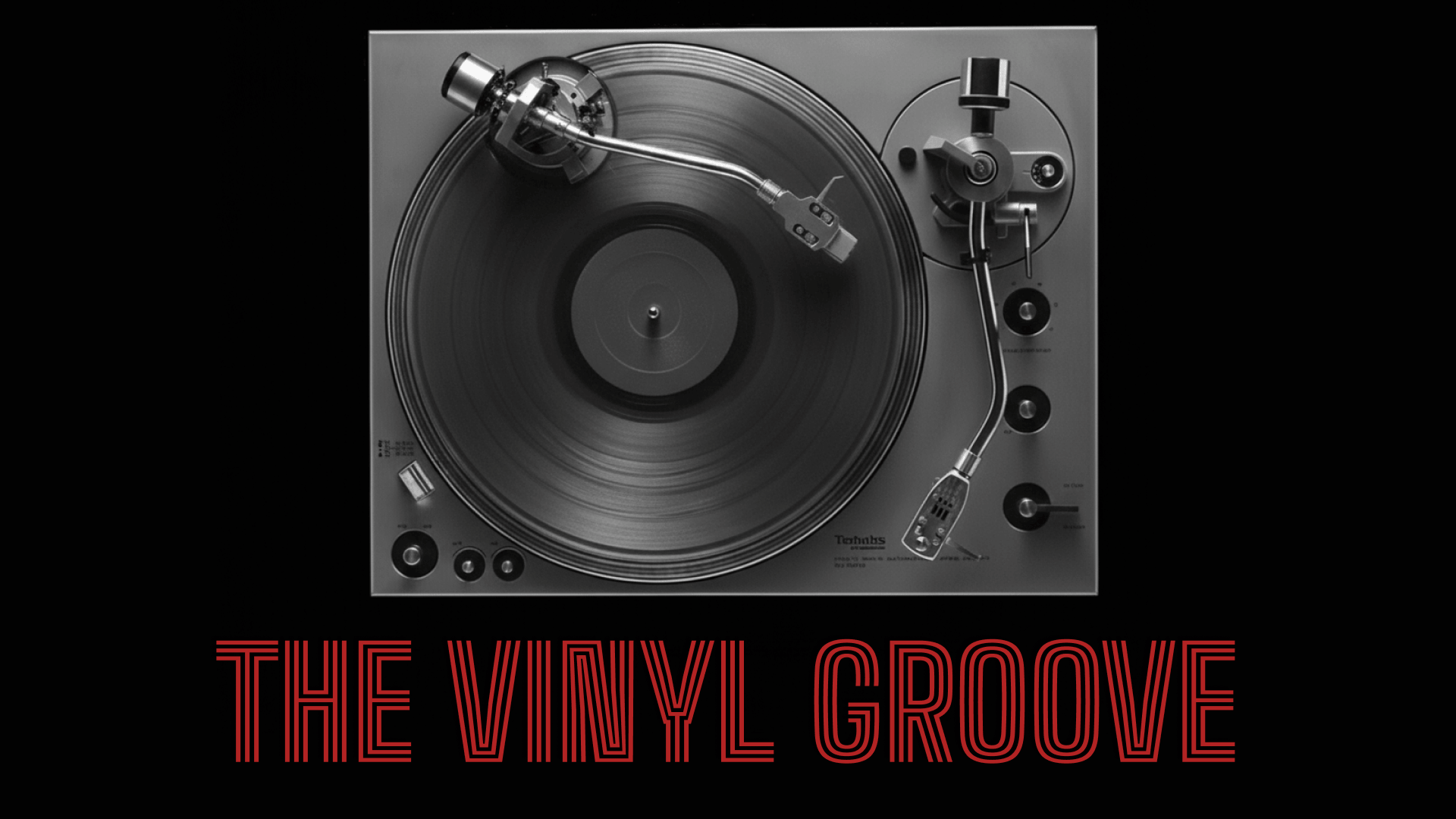
Unlike digital audio, vinyl stores music through physical grooves cut into the surface of the record. When a needle moves through these grooves, it translates the tiny variations in the groove into sound.
Because of this process, the music on vinyl exists as a physical object. The bass, the rhythm, and the subtle imperfections of the recording are all literally carved into the record.
This physicality is part of what gives vinyl its character. The groove does not simply reproduce sound — it carries the movement of the music itself.
Vinyl and Sound System Culture
In the early years of Jamaican sound systems, vinyl records were the primary way music circulated. Selectors would bring crates of records to sessions, carefully choosing tracks that would move the crowd.
Many records were pressed specifically for sound systems. Often, a single 7-inch record would contain a vocal track on one side and a “version” — an instrumental or dub mix — on the other.
This format allowed selectors and MCs to interact with the music live. The instrumental versions created space for improvisation, toasting, and experimentation with effects.
Through this process, vinyl records became deeply connected to the performance culture of sound systems.
Dubplates and Exclusive Records
Another important element of vinyl culture is the dubplate.
A dubplate is a special record cut specifically for a sound system or selector. These records often contain exclusive versions of songs or unique vocal recordings made only for a particular crew.
Because they exist in very limited quantities, dubplates carry a special status within the culture. Playing a rare dubplate during a session can change the entire energy of the dance.
In this way, vinyl records are not only a way to play music — they are also a form of musical identity.
Vinyl Today
Despite the rise of digital technology, vinyl continues to hold an important place in reggae and dub culture.
Many producers still release music on vinyl, and many selectors continue to build their sets around records. The ritual of selecting a record, placing the needle on the groove, and hearing the bass emerge through a sound system remains a powerful part of the experience.
Vinyl is not simply a format from the past. It is a living part of the culture — a physical connection between music, history, and the communities that keep reggae and dub alive.